The rapid growth of data centers, driven by expanding cloud computing, artificial intelligence, and digital infrastructure, has emerged as a significant public policy issue across Illinois and the nation. Once a relatively low-profile component of the modern economy, large-scale data centers are now the subject of increasing legislative attention and local debate due to their substantial demands on electricity, water, land use, and public infrastructure. In Illinois alone, data centers consume enormous amounts of energy, enough to power more than a million homes, highlighting both their economic importance and their potential impact on communities and ratepayers.
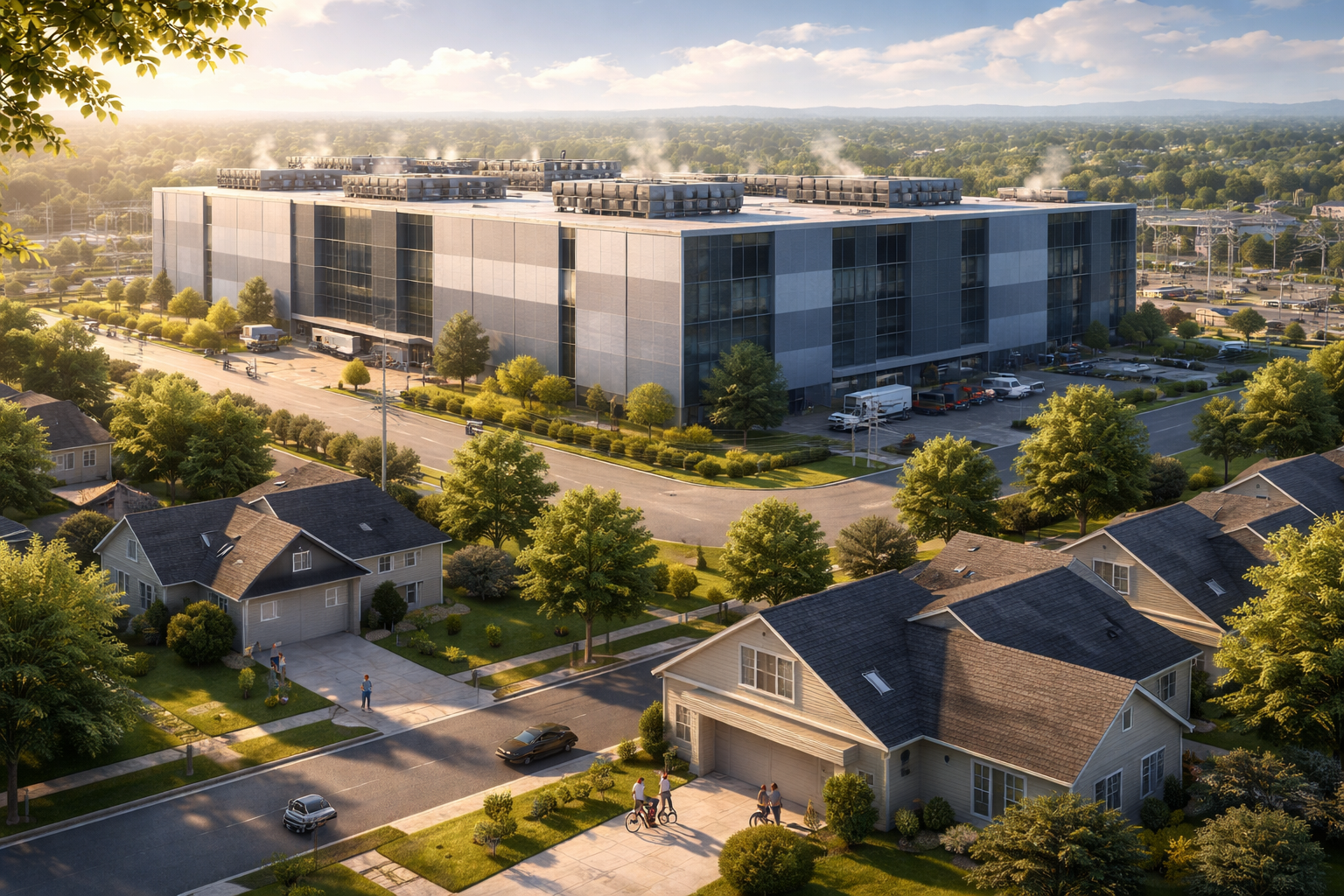
State policymakers are actively considering a range of proposals to address these challenges. Recent and pending legislation has focused on improving transparency in energy and water usage, ensuring that data center developers bear the costs of new infrastructure, and establishing environmental and consumer protections. For example, proposed measures would require annual reporting of energy and water consumption, mandate that developers fund grid upgrades needed to support their facilities, and create standards to protect local resources and utility customers. At the same time, Illinois has historically encouraged data center development through tax incentives and economic development programs, reflecting the industry’s role in job creation, capital investment, and local tax bases.
For county governments, data centers present both opportunities and challenges. These facilities can generate construction activity, increase assessed property values, and contribute to local economic development. However, they also raise complex questions related to zoning authority, infrastructure capacity, environmental impacts, and long-term community benefits. Local governments across Illinois have begun to explore regulatory tools—including zoning updates, permitting requirements, and even temporary moratoriums—to better understand and manage these impacts.
This resource page is designed to provide Illinois county officials with up-to-date information on data center-related legislation, policy developments, and emerging issues. It also highlights the evolving relationship between data centers, local governments, and residents, offering context to help counties evaluate proposals, engage stakeholders, and advocate for policies that balance economic growth with responsible resource management and community protection.
Understanding Data Centers
What Is a Data Center?
A data center is a highly specialized facility that houses computer servers and networking equipment used to store, process, and transmit digital information. Data centers support many of the online services people use every day, including email, cloud computing, streaming services, banking, social media, artificial intelligence applications, and e-commerce.
Modern data centers are designed to operate continuously and require significant investments in electrical infrastructure, cooling systems, fiber connectivity, and physical security. Some facilities occupy only a few acres, while large "hyperscale" campuses may span hundreds or even thousands of acres and contain multiple buildings developed over many years.
Because data centers are essential to the digital economy, communities across the United States are experiencing increased interest from developers seeking suitable locations for new facilities.
Why Are Data Centers Being Built in Illinois?
Illinois possesses several characteristics that make it attractive for data center development.
Strategic Location
Illinois sits at the center of the nation's transportation and communications networks. Major fiber-optic routes and electrical transmission infrastructure converge throughout the state, providing the connectivity and reliability data centers require.
Reliable Energy Infrastructure
The state's connection to the Midcontinent Independent System Operator (MISO) grid, access to diverse energy resources, and ongoing investments in transmission infrastructure have helped position Illinois as an emerging destination for large-scale facilities.
Tax Incentives
Illinois has established incentives intended to encourage investment in data centers. These incentives have contributed to significant private-sector interest and billions of dollars in announced projects. On June 5, 2026, Governor Pritzker announced a pause to these tax incentives. The pause is effective July 1, 2026, and is expected to last until the state adopts a regulatory framework for data centers.
Available Land and Workforce
Many Illinois communities offer large development sites, access to transportation networks, and a skilled workforce capable of supporting both construction and ongoing operations.
As demand for digital services continues to grow, Illinois is expected to remain a competitive location for future development.
How Artificial Intelligence Is Driving Demand
Artificial intelligence (AI) is transforming the demand for digital infrastructure.
AI systems require enormous computing power to train and operate advanced models used in applications ranging from search engines and healthcare to manufacturing, logistics, and autonomous systems. As a result, technology companies are investing billions of dollars in new data center capacity throughout the United States.
Compared to traditional facilities, AI-driven data centers often require:
- Larger campuses.
- Greater electrical demand.
- Expanded cooling systems.
- More fiber connectivity.
- Additional substations and transmission infrastructure.
Major technology companies—including Amazon Web Services, Google, Microsoft, Meta, and others—have announced unprecedented investments in AI infrastructure. Industry experts expect demand for data centers to continue increasing throughout the coming decade.
As AI adoption expands, counties may see growing interest in development proposals involving data centers, transmission lines, battery storage facilities, and other supporting infrastructure.
Why Counties Are Seeing Increased Development Proposals
Counties play an important role in evaluating and managing many aspects of large-scale development.
Data center projects can affect:
Land Use and Zoning
Counties may be asked to consider zoning changes, special use permits, setbacks, screening requirements, and compatibility with surrounding land uses.
Transportation Infrastructure
Construction activity can generate substantial truck traffic and may require road improvements, road use agreements, and ongoing maintenance considerations.
Utilities and Energy Infrastructure
Large facilities may require new substations, transmission lines, water resources, backup generation, or battery energy storage systems.
Public Safety
County officials may need to coordinate with emergency management agencies, fire districts, and other local responders regarding fire suppression systems, hazardous materials, and emergency planning.
Economic Development
Data centers can represent significant capital investment and may contribute to local tax bases, although long-term employment levels are often lower than those associated with other forms of industrial development.
Preserving Local Decision-Making
As demand for digital infrastructure grows, counties increasingly find themselves balancing economic opportunities with land-use considerations, infrastructure impacts, and the interests of residents. Proposals affecting data centers and related infrastructure have also prompted broader discussions about the appropriate balance between state policy objectives and local authority.
Legislation Under Consideration by the Illinois General Assembly
ISACo is actively tracking legislation related to data centers and artificial intelligence that may impact county governments, local infrastructure, and community resources. Use this link to access a current list of relevant bills, along with summaries and ISACo positions where available.
Legislative Hearings
House Committee Examines Data Center Growth, Grid Reliability, and Water Usage Concerns (May 26, 2026)
The Illinois House Executive Committee held a nearly two-hour subject matter hearing on May 26, 2026, examining the impacts of data center growth on Illinois’ electric grid, water resources, utility rates, and economic development. Utilities, regional grid operators, environmental advocates, academic experts, and industry representatives offered sharply differing perspectives on the proposed “Power Act” and how Illinois should manage rapidly increasing electricity demand tied to hyperscale data centers. An article about the hearing is available via this link.
Lawmakers Examine Data Center Water Use, Transparency Gaps at House Executive Committee Hearing (April 22, 2026)
During a House Executive Committee hearing, Illinois lawmakers continued their review of data center impacts, focusing on water usage, aquifer stress, and transparency gaps. Testimony highlighted tradeoffs between energy and water consumption, uneven groundwater oversight, and the need for clearer statewide standards as hyperscale facilities expand. Additional information about the hearing is available via this link.
House Executive Committee Hearing on Data Center Energy Usage (April 15, 2026)
State lawmakers, utilities, and industry stakeholders participated in a hearing to examine the rapid growth of data centers and their implications for Illinois’ electric grid, consumer costs, and long-term energy policy. A report about the hearing is available via this link.
Data Center Projects in Illinois
This Excel spreadsheet will be updated as necessary.
Data Centers in the News
Click on this link to view a curated collection of news stories highlighting the rapid growth of data centers and their impacts on communities, infrastructure, and public policy. As this issue continues to evolve, additional articles will be added to provide county officials with timely insights into emerging trends, local concerns, and statewide and national developments.
ISACo Resources
Data Center County Toolkit: Helping Illinois Counties Navigate Data Center Development
The County Lens: Water, Data Centers, and the Growing Governance Gap
AI is Changing Fast. What Does That Mean for Data Centers and Counties? (Counties Count! Podcast)
Water demand is rising across the Great Lakes region, and counties are on the front lines. In this edition of The County Lens, ISACo Executive Director Joe McCoy examines how data center growth, groundwater challenges, and fragmented governance are creating new pressures on local infrastructure and decision-making. The County Lens is available via this link.
Data Center Public Hearings
The surge in data center development in Illinois has led to a wave of public hearings across several counties and municipalities, particularly in the Chicago metropolitan area and central Illinois. These hearings typically focus on zoning amendments, noise ordinances, and environmental impact assessments.
Click on this link for information about local governments that have held or are currently planning public hearings related to data centers. The list will be updated as necessary.
Key NACo Data Center Resources
The National Association of Counties (NACo) has developed resources to help local governments evaluate and manage data center development, including a national primer outlining key considerations related to land use, infrastructure, and community impacts.
Informational Primer and County Considerations: Data Centers
https://www.naco.org/resource/naco-informational-primer-and-county-considerations-data-centers
Counties Grapple with Data Center Boom (County News)
https://www.naco.org/news/counties-grapple-data-center-boom
Counties Wrestle with Data Centers’ Power Consumption (Route Fifty)
https://www.route-fifty.com/artificial-intelligence/2026/01/counties-wrestle-data-centers-power-consumption/410749/
Other Resources
Key Considerations for Data Center Development (Bipartisan Policy Center)