During the National Association of Counties (NACo) Legislative Conference in Washington, D.C., Illinois county officials met with U.S. Senators Dick Durbin and Tammy Duckworth for a wide-ranging and candid discussion on the federal issues most directly affecting counties and their residents. The conversation highlighted growing pressures on local governments related to health care access, housing shortages, infrastructure investment, energy transmission, immigration policy and election administration.
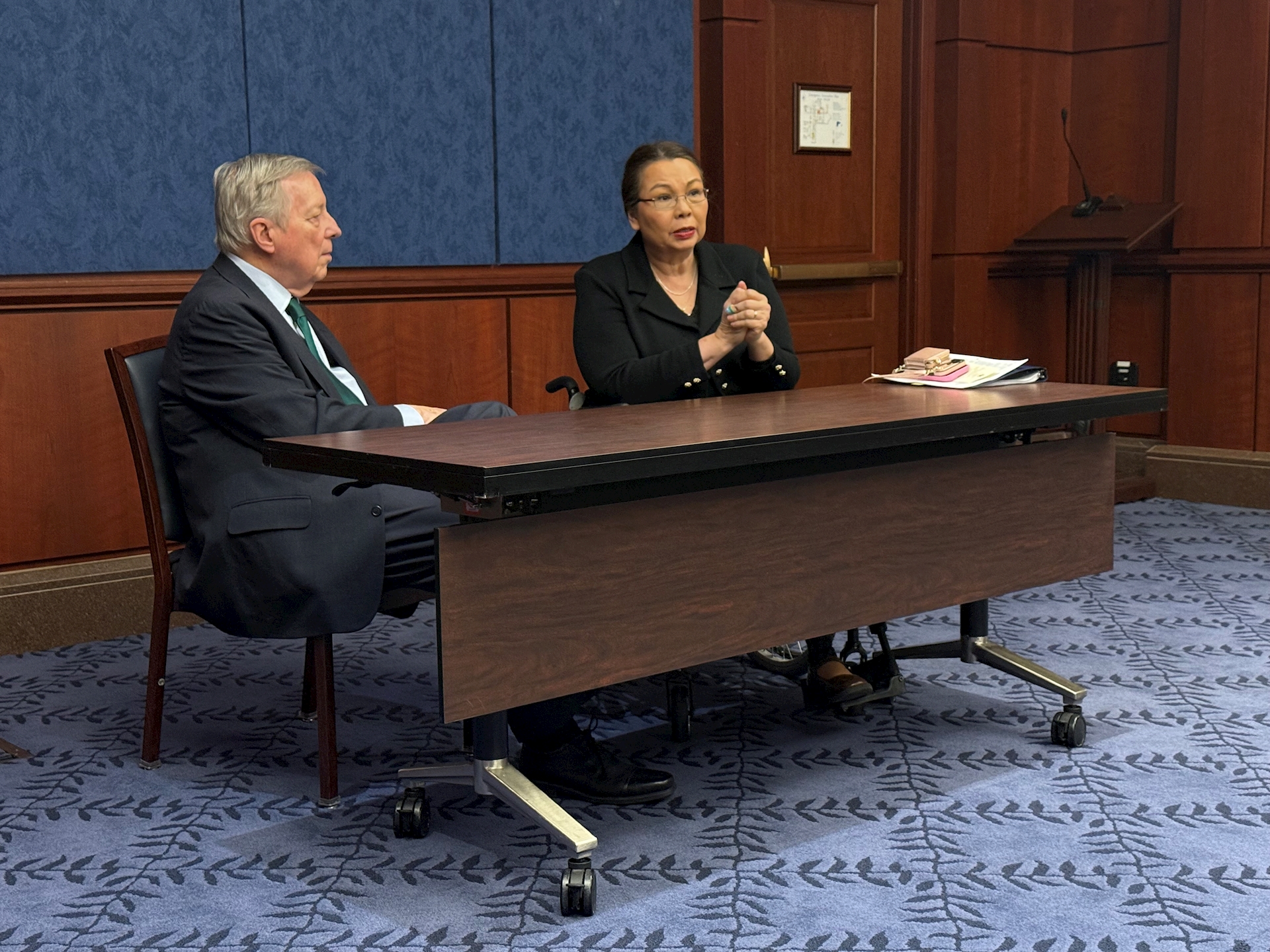
A significant portion of the discussion focused on health care and the potential impacts of proposed federal Medicaid cuts. County leaders described the strain already facing hospitals, clinics and nursing homes, particularly in rural and underserved areas. Senator Durbin warned that deep reductions in Medicaid funding could result in the loss of safety-net hospitals and further limit access to care for seniors, low-income residents and people with disabilities. County officials emphasized that when coverage disappears, costs do not — instead, they are shifted to local governments, hospitals and ultimately taxpayers.
Several participants shared real-world examples of how fragile the health care system has become, from hospitals struggling to stay open to shortages in specialty care such as pediatric dentistry in Southern Illinois. The group discussed the need for bipartisan efforts to protect Medicaid and avoid cost-shifting that would place even greater pressure on county budgets.
Housing was another central theme. Officials described severe shortages of affordable and workforce housing in fast-growing areas and college communities, where employers and universities are struggling to attract workers and students because housing is unavailable or unaffordable. Concerns were also raised about recent state and federal policy proposals that could preempt local zoning authority, with county leaders stressing the importance of preserving local decision-making while still expanding housing supply.
One county assessor raised the issue of property tax fairness, suggesting that better access to federal appraisal and property condition data could help reduce inequities in assessments and lower tax burdens, particularly for lower-value homes. Senators Durbin and Duckworth expressed interest in exploring how better data transparency could support more equitable local tax systems.
Infrastructure and transportation funding were also discussed, particularly the uncertainty surrounding surface transportation reauthorization and the administration of existing federal infrastructure grants. Senator Duckworth noted the challenges of advancing a comprehensive reauthorization bill in the current political climate and urged county officials to promptly report any delays or disruptions in awarded funding so congressional offices can intervene.
Energy infrastructure and transmission capacity emerged as a growing concern, especially as Illinois sees increased development of data centers, solar projects and other energy-intensive uses. County leaders described how inadequate transmission and substation capacity is limiting economic development in some regions, even where renewable energy projects are ready to move forward. Senator Durbin acknowledged the issue and discussed ongoing debates at the federal level over how to modernize the grid to meet future demand.
Immigration enforcement and federal voting legislation were also raised. Senator Durbin shared concerns about current enforcement practices, the lack of clear standards and accountability, and the human impact on families and communities. He also outlined his concerns with the proposed SAVE Act, which would impose new voter registration requirements that could make it harder for some eligible voters to participate in elections. County officials emphasized the importance of clear rules, public trust and avoiding unfunded or unworkable mandates at the local level.
Finally, the discussion touched on the growth of data centers and artificial intelligence infrastructure, with county leaders asking whether federal standards or disclosure requirements might help communities better plan for impacts related to water use, power demand and land use. Senators indicated that while local control remains important, greater transparency and coordination could help communities make informed decisions.
Throughout the meeting, Senators Durbin and Duckworth emphasized the importance of ongoing communication with county officials and encouraged local leaders to continue sharing on-the-ground impacts of federal policies. County leaders, in turn, underscored that many federal decisions, whether related to health care, infrastructure, housing or public safety, ultimately land on county governments to implement and finance.
ISACo and UCCI thank Senators Durbin and Duckworth for their time, their candid discussion and their continued engagement with county leaders across Illinois.